


Organize the subjects and conditions you want to analyze. Based on the question "Who, where, and what are they buying?", set analysis conditions such as age, gender, area, and product category.


A group of AI agents that autonomously utilize GeoTechnologies, Inc. specific data.
- Supports "A2A," an open standard for AI agent collaboration.
- Can be directly called and integrated with external AI generation and business systems.
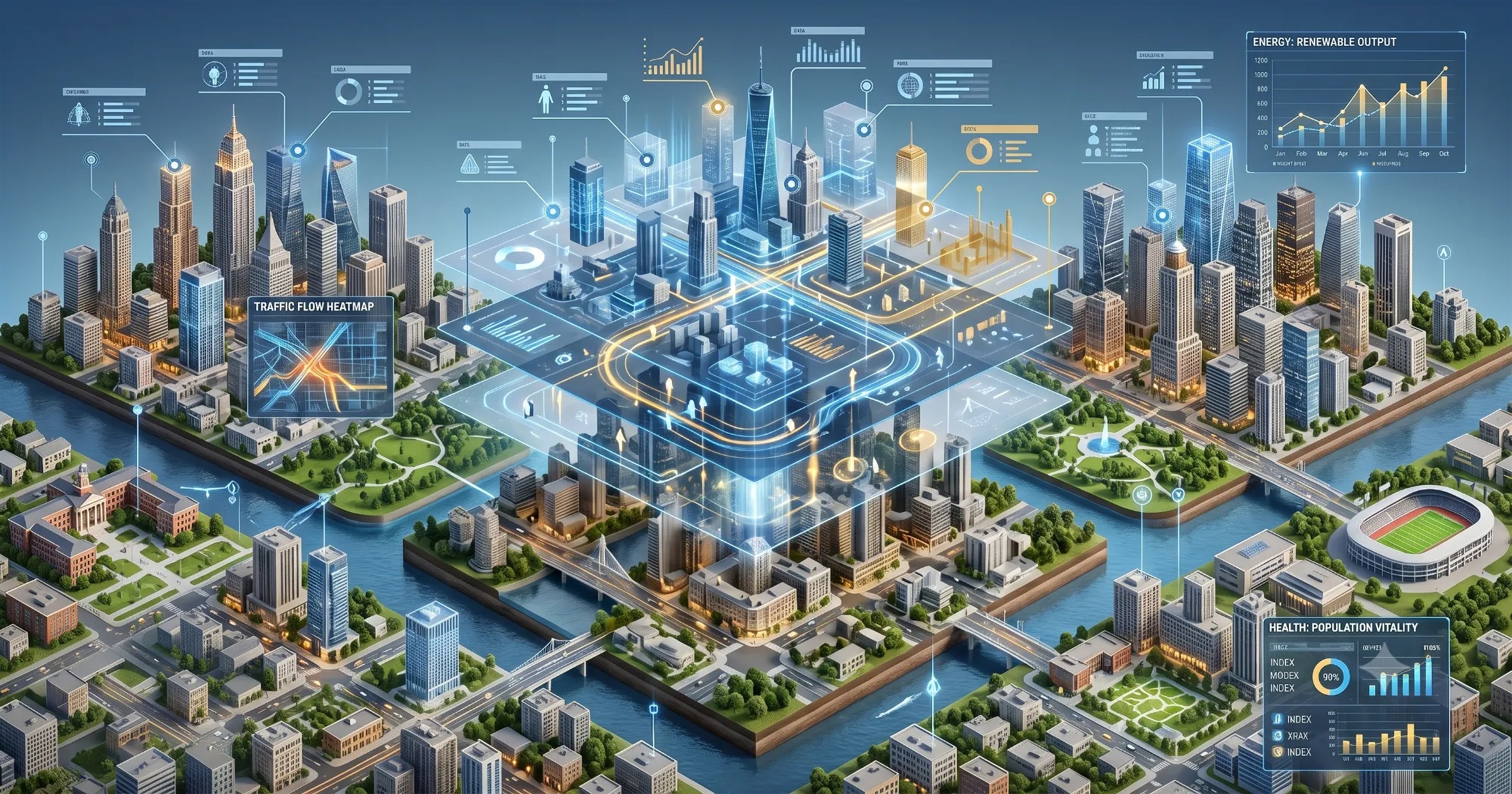
GeoTechAgent® provides services such as map search, market area analysis, purchasing analysis, geospatial analysis, and image analysis.
This is an autonomous AI agent that provides support.
Simply by making a request in natural language, the system will handle everything from identifying the coordinates of the target location to data extraction, analysis, and mapping.
It automatically coordinates and executes multiple processes.
In addition to collaboration with external AI via A2A (Agent2Agent)protocols,
It supports presenting the rationale behind analysis results, maintaining context, and recording operation history. You can use it with confidence in your work.
*GeoTechAgent is a registered trademark of our company.

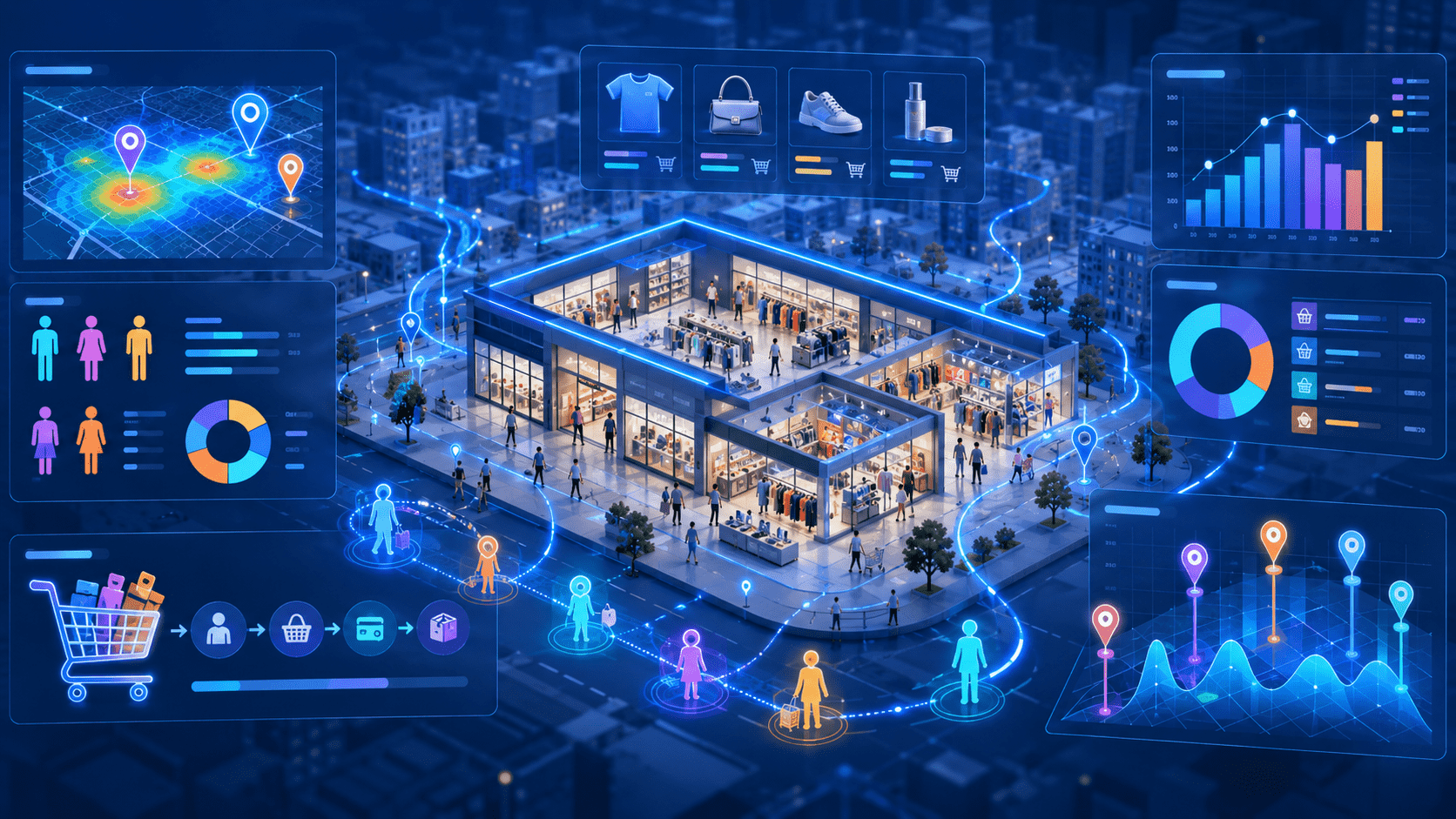
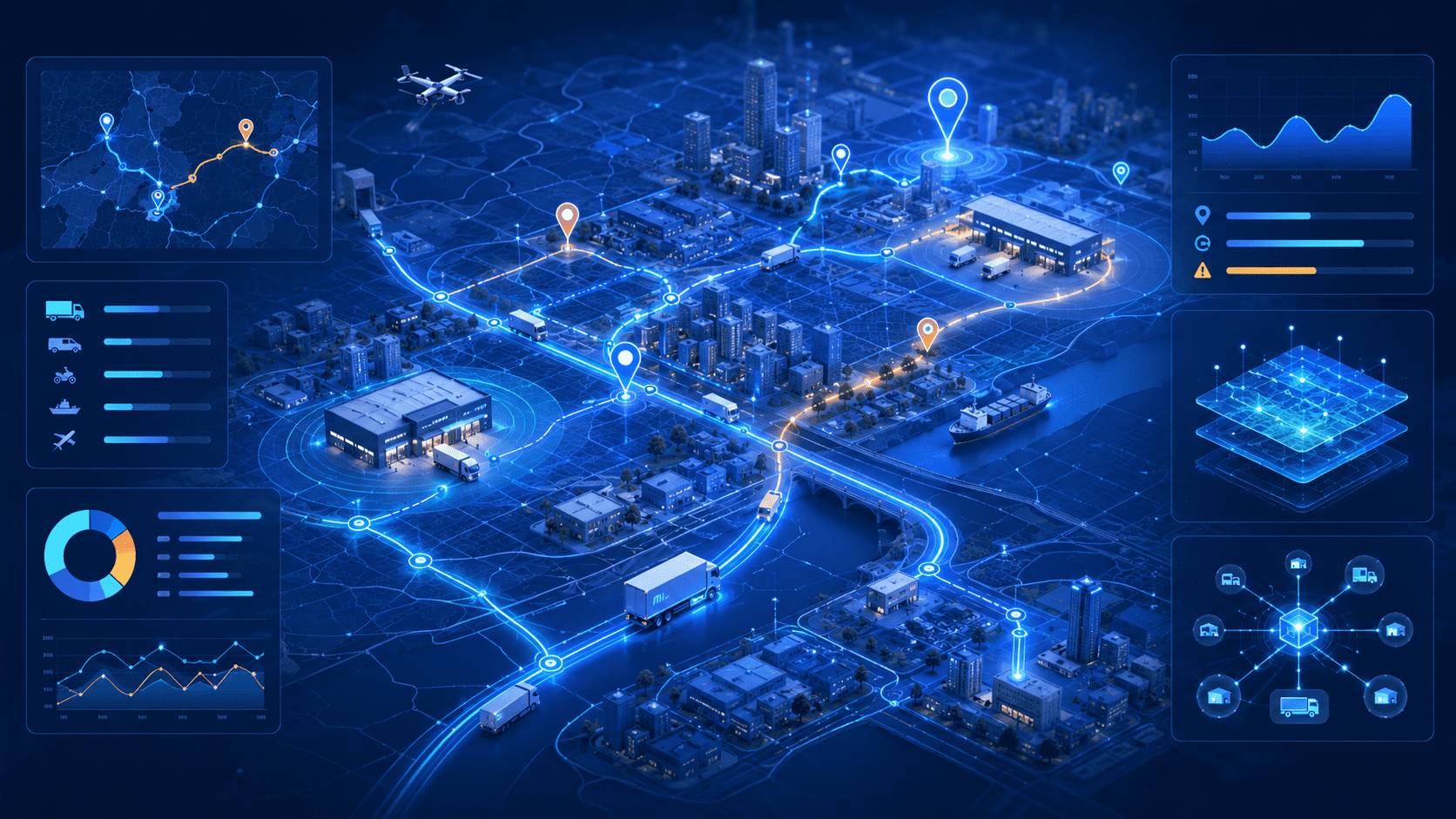
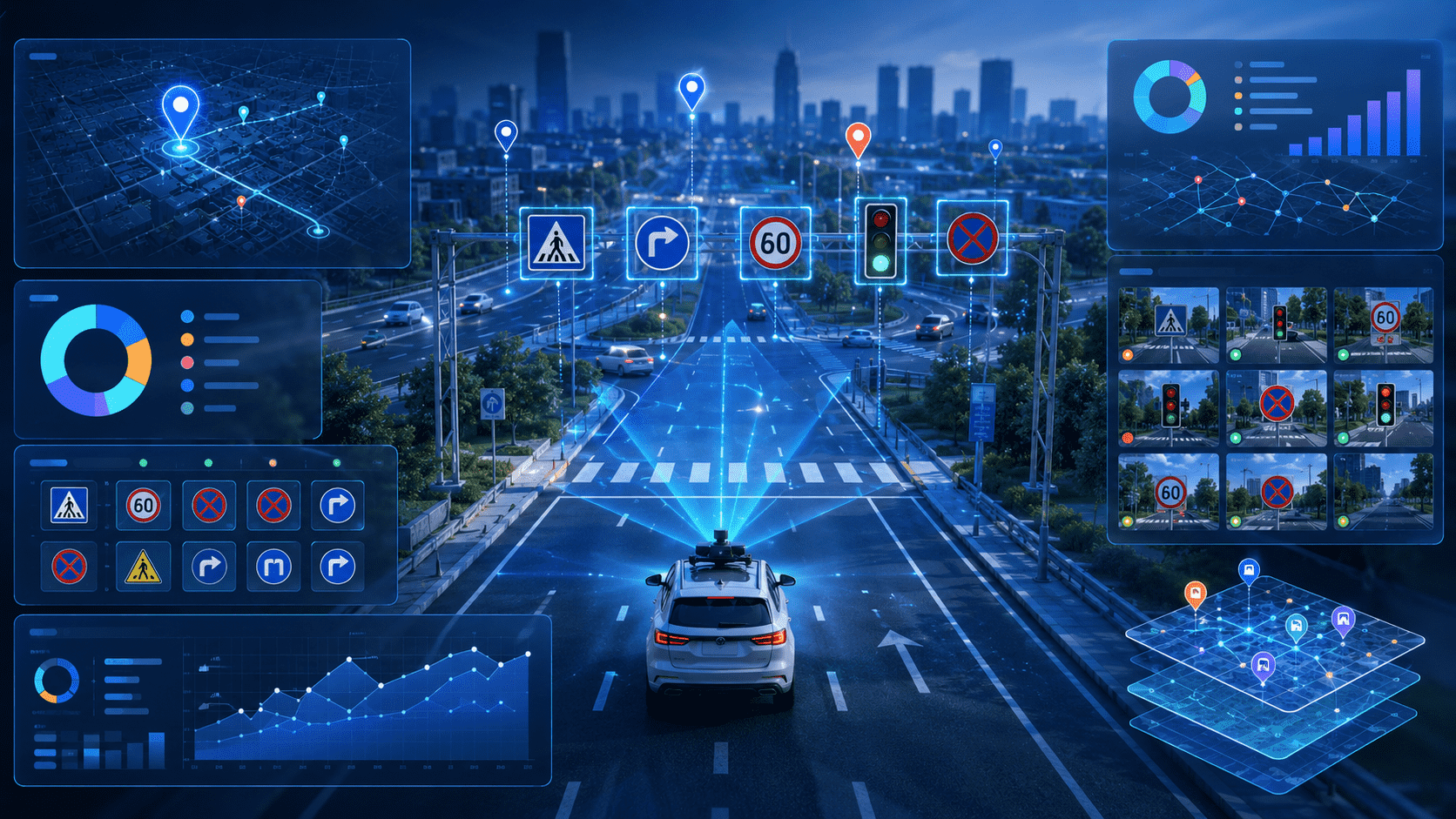
*Click the image to enlarge.
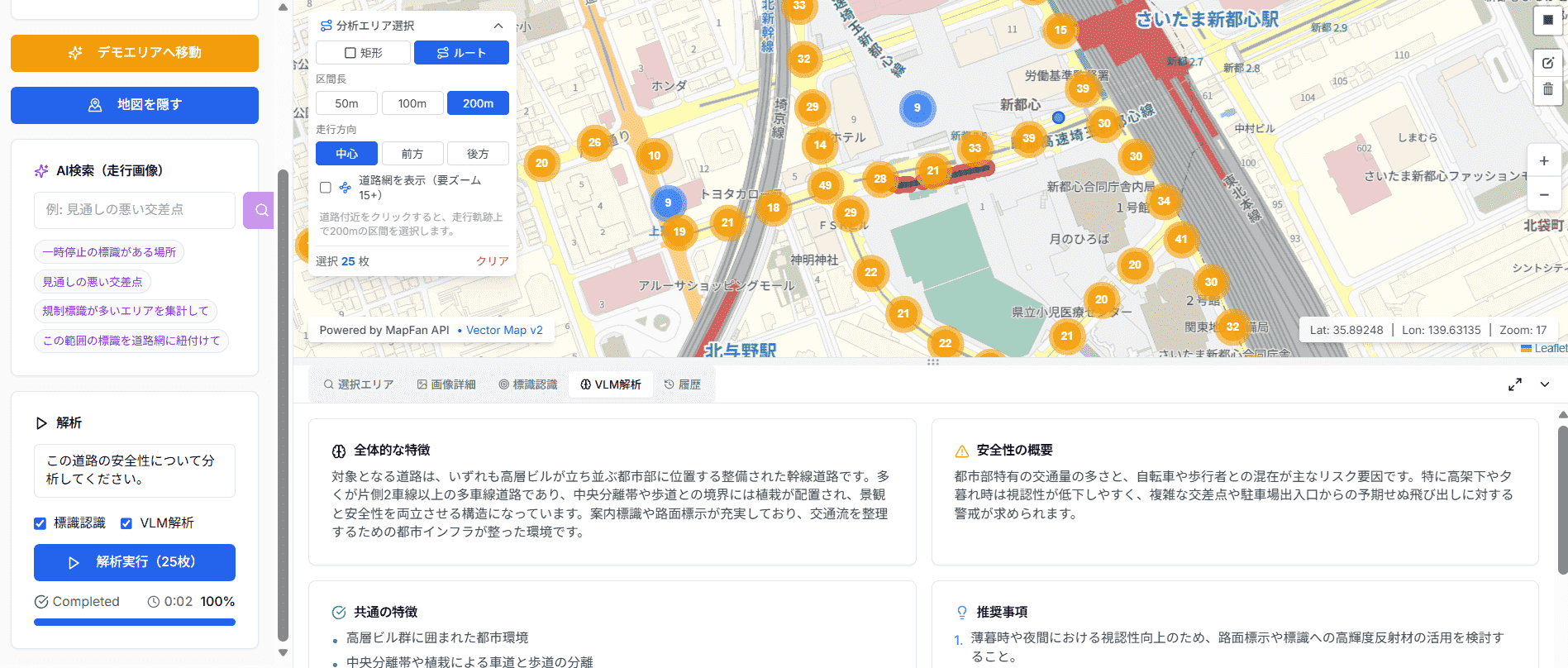
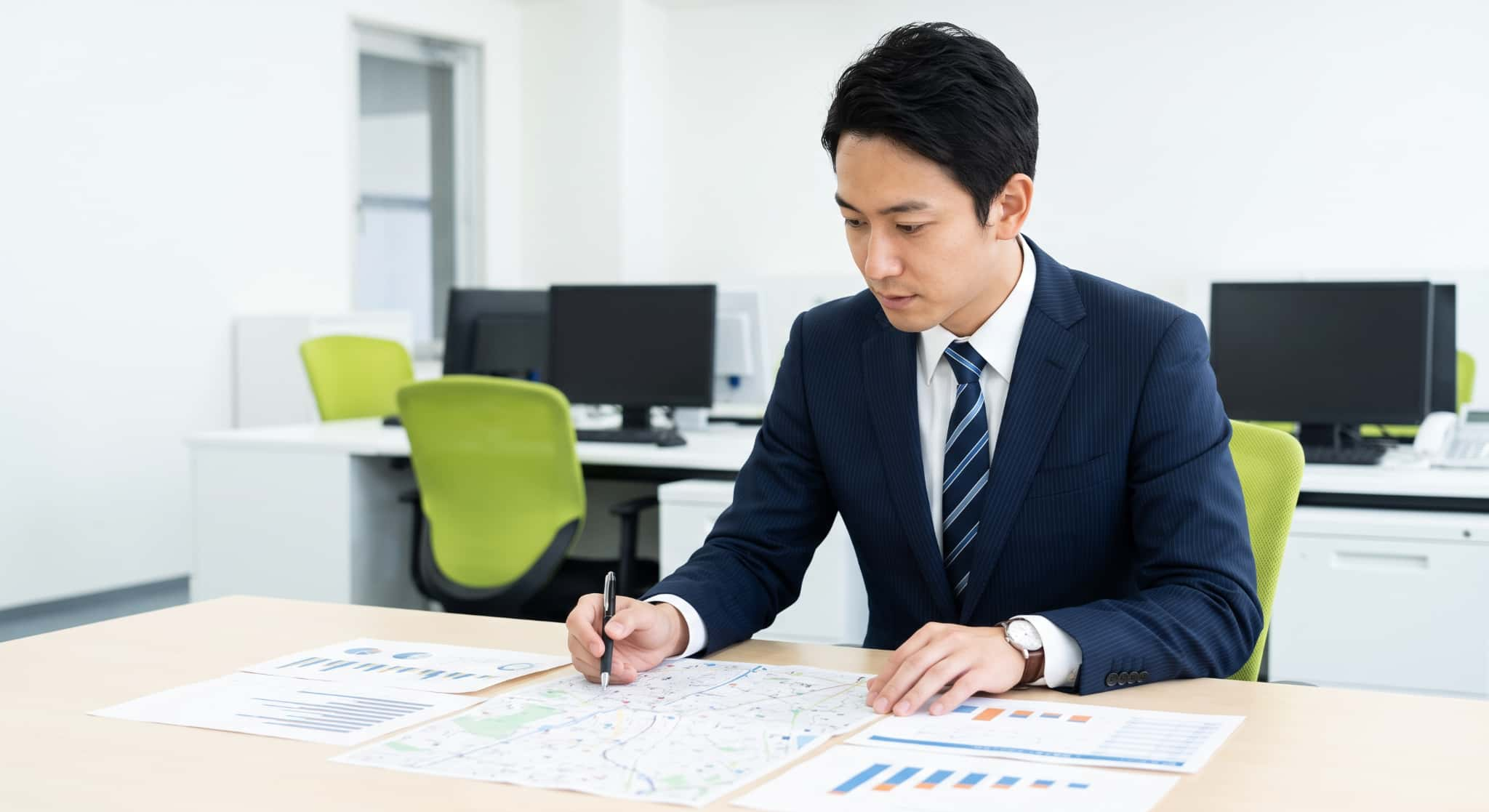
We assessed the potential for attracting customers by understanding the traffic volume and dwell time around potential locations by time of day and day of the week.
We support the development of sophisticated store opening strategies based on people flow and demographic data.

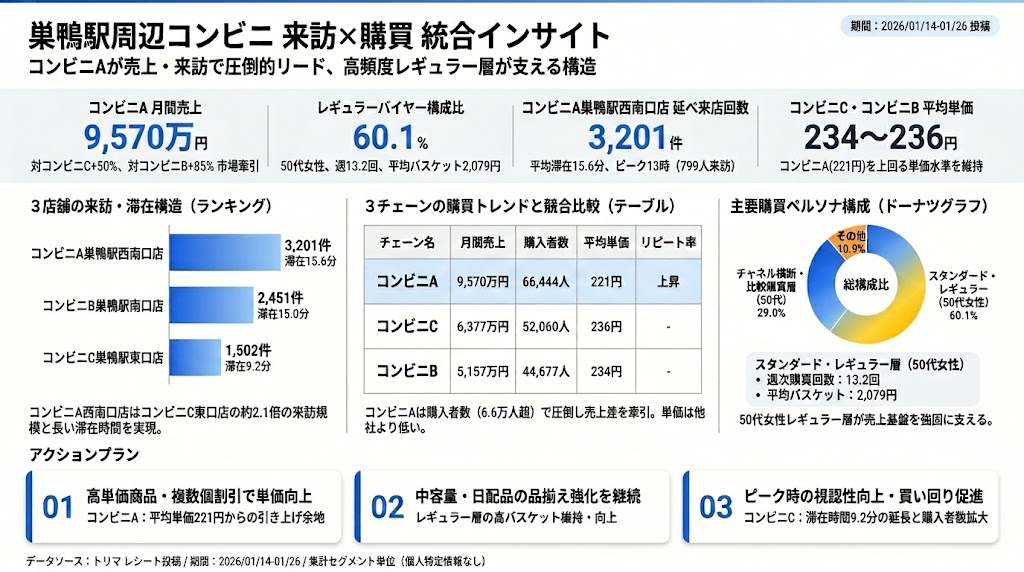
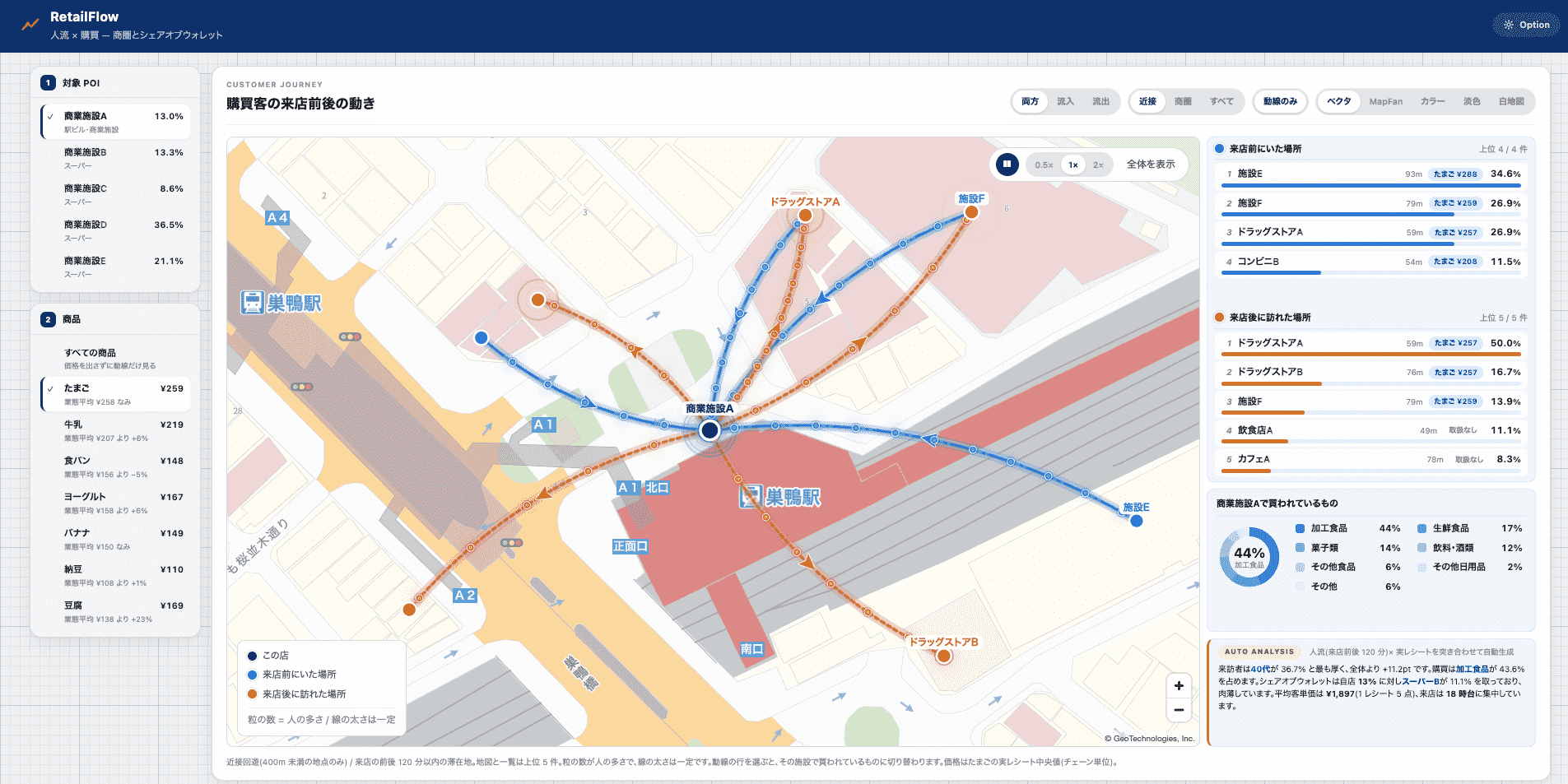
By combining store visit data, purchase data, and location information, we analyze factors influencing sales fluctuations and purchasing behavior.
By analyzing movement patterns and dwell time data, we can understand customer visit frequency and shopping trends across different stores.
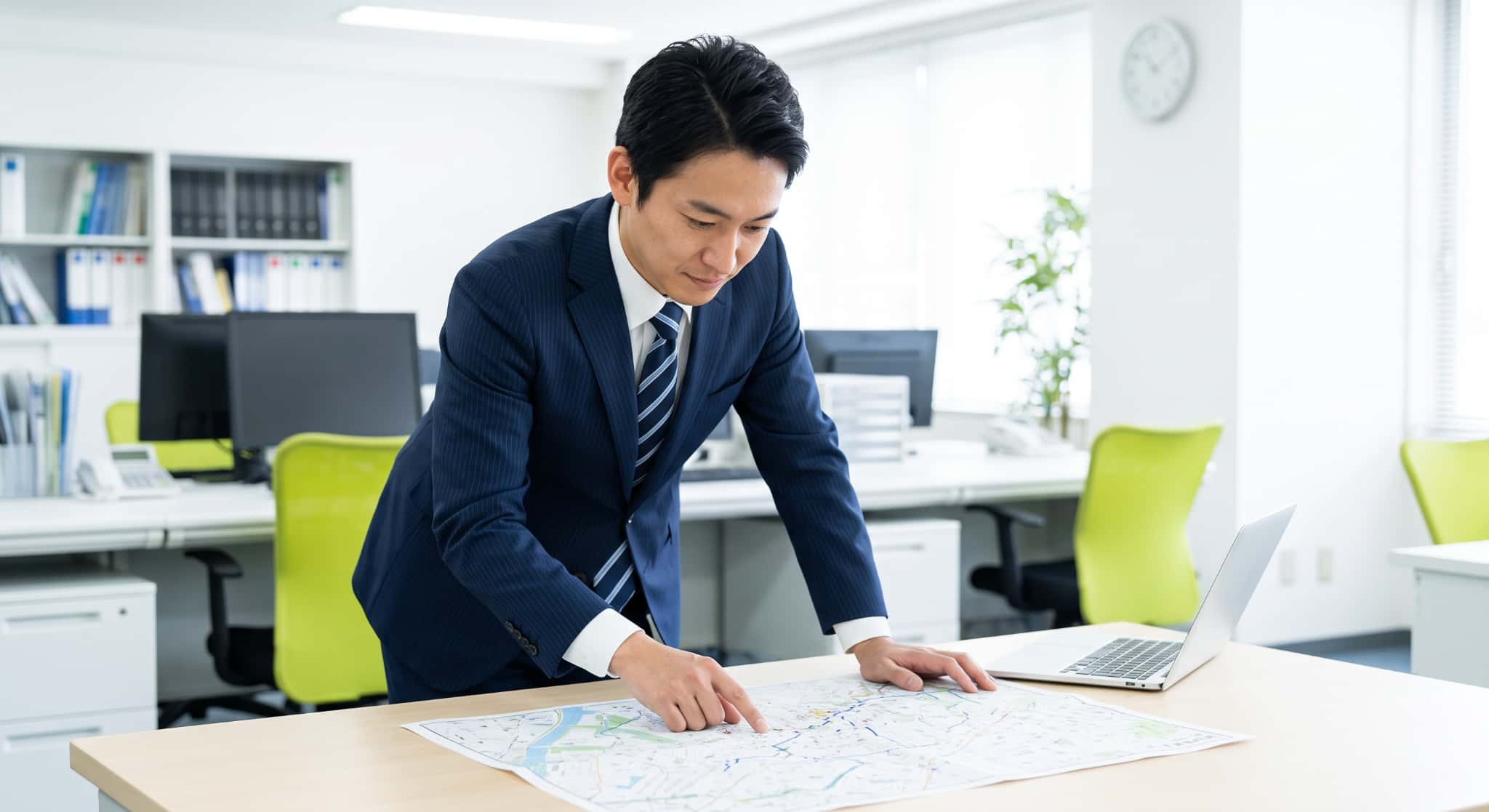
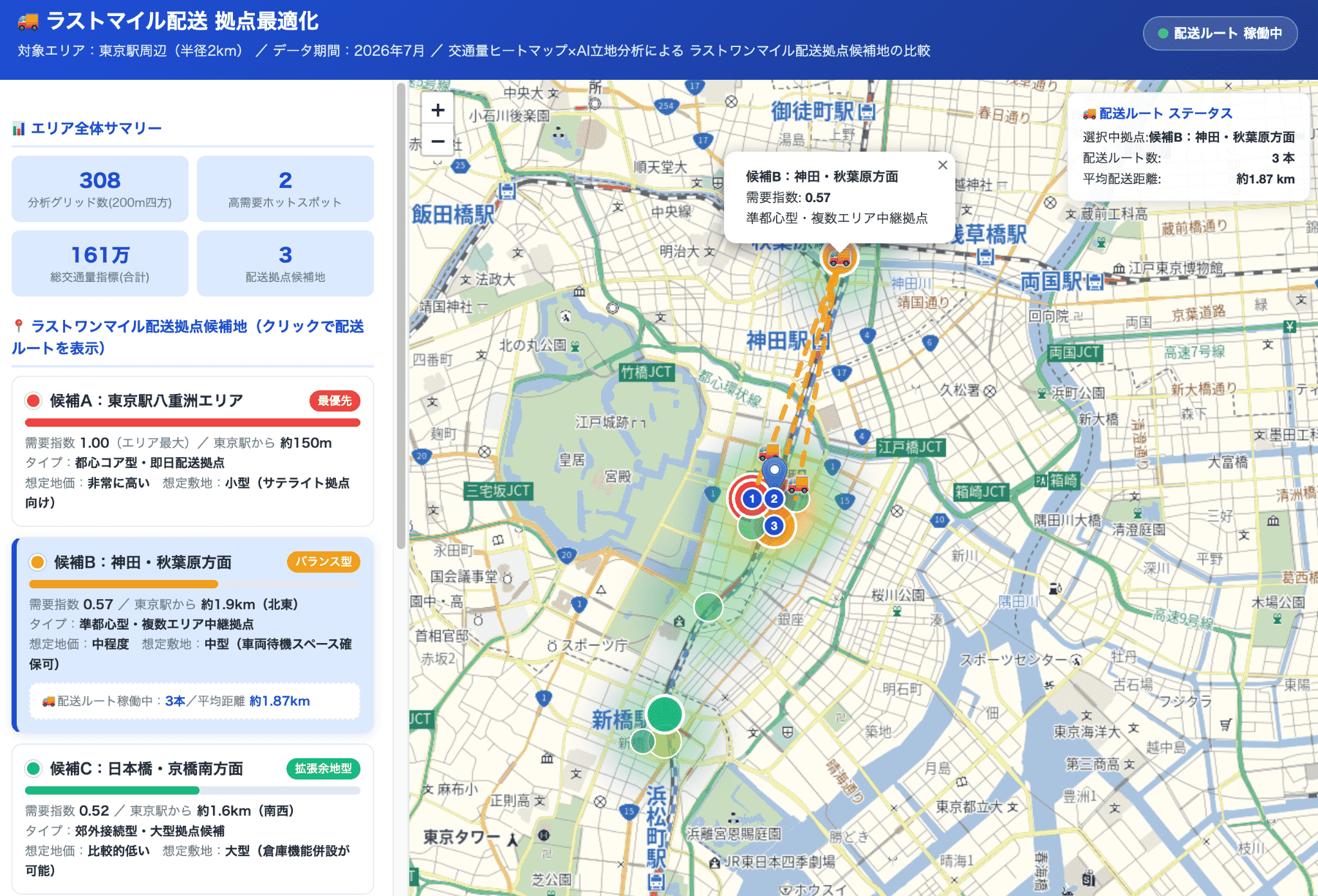
By utilizing traffic conditions and vehicle movement data, the system calculates the optimal route for multiple destinations, taking road conditions into consideration.
We enable increased efficiency and cost reduction in logistics and delivery operations.

Simply submit a request in natural language, and it will automatically perform multiple steps, from identifying the coordinates of external locations to extracting data, performing advanced analysis, and creating maps.

It supports the "A2A (Agent2Agent) protocol," which facilitates collaboration between AI agents, enabling integration with external AI.

It includes features that allow for confident use in business operations, such as providing the rationale and candidates for analysis results, carrying over context, and automatically recording operation history.
PoC (Proof of Concept) Expected Use Case: Examples of Using a Purchase Analysis Agent
While retailers can track their sales and purchased items through POS data, they haven't been able to fully understand customer behavior before and after visiting their stores, or their shopping habits across different stores.
Furthermore, analyzing "who visits, where they come from, and what they purchase" required handling multiple data and tools, resulting in a heavy reliance on expert analysts.
Therefore, there was a challenge in quickly grasping purchasing trends for each store and trading area and utilizing that information when considering product assortment and sales promotion strategies.
Organize the subjects and conditions you want to analyze. Based on the question "Who, where, and what are they buying?", set analysis conditions such as age, gender, area, and product category.
Requests such as "What products do women in their 30s frequently buy?" are made using natural language. Analysis can then begin without creating specialized extraction conditions or queries.
AI automatically combines people flow data and receipt purchase data. It generates evidence-based insight reports and charts by combining multiple analytical axes tailored to the purpose, such as trends, competitors, and personas.
・Sales and purchasing trend analysis
・Manufacturer and brand analysis
• Comparison with competing brands
・ Extracting customer attributes and personas
・ Combined analysis of visits and purchases
By combining receipt purchase data with attributed people flow data, we can visualize not only the products purchased, but also the attributes of customers and the areas they visited, as well as their overall consumer behavior.
Previously, analysis required expert analysts using multiple tools, but now it can be performed simply by making a request in natural language, streamlining the analysis necessary for considering store strategies.
