


[GT Times #2] Deciphering Tourist Movements with people flow Data: The Impact of Natural Disasters on Toyama Tourism




Two years have passed since the Noto Peninsula earthquake that occurred on New Year's Day 2024. At the time of the earthquake, there were serious concerns about its impact on the tourism industry in Toyama Prefecture, which borders Ishikawa Prefecture.
Our company conducted a detailed analysis of visitor numbers to Toyama Prefecture before and after the earthquake (January 2023 to September 2025) using people flow data. As a result, we discovered the surprising fact that, rather than the impact of the earthquake, the disruption of transportation due to record-breaking heavy snowfall had a greater impact on the decrease in visitor numbers.
people flow data reveals the actual behavior of visitors and the true factors hindering tourist movement that cannot be fully captured by news reports or anecdotal evidence. This time, we will introduce the current state of tourism Toyama as seen through people flow analysis, and hints for developing sustainable tourist attraction strategies.
- 1. Analysis of people flow data before and after the Noto Peninsula earthquake
- 2. The impact of natural disasters on visitor numbers
- 3. The effects and challenges of tourism campaigns
- 4. Visitor Behavior Patterns of the Tateyama Kurobe Alpine Route
- 5. Tourism activities concentrated around Toyama Station
- What we can learn from the data people flow
1. Analysis of people flow data before and after the Noto Peninsula earthquake
The Noto Peninsula Earthquake on New Year’s Day 2024 had a major impact on the entire Hokuriku region, Toyama and raised serious concerns within the prefecture’s tourism industry. To what extent did this affect visitor numbers?
Our company conducted a detailed analysis of changes in the number of visitors to Toyama Prefecture from January 2023 to September 2025, prior to the Noto Peninsula earthquake, using people flow data. As a result, a surprising fact emerged: the decrease in visitors, which was thought to be largely due to the direct impact of the earthquake, actually had another major underlying factor.
We will report on the current state of tourism Toyama Prefecture, as revealed by the analysis of people flow data.
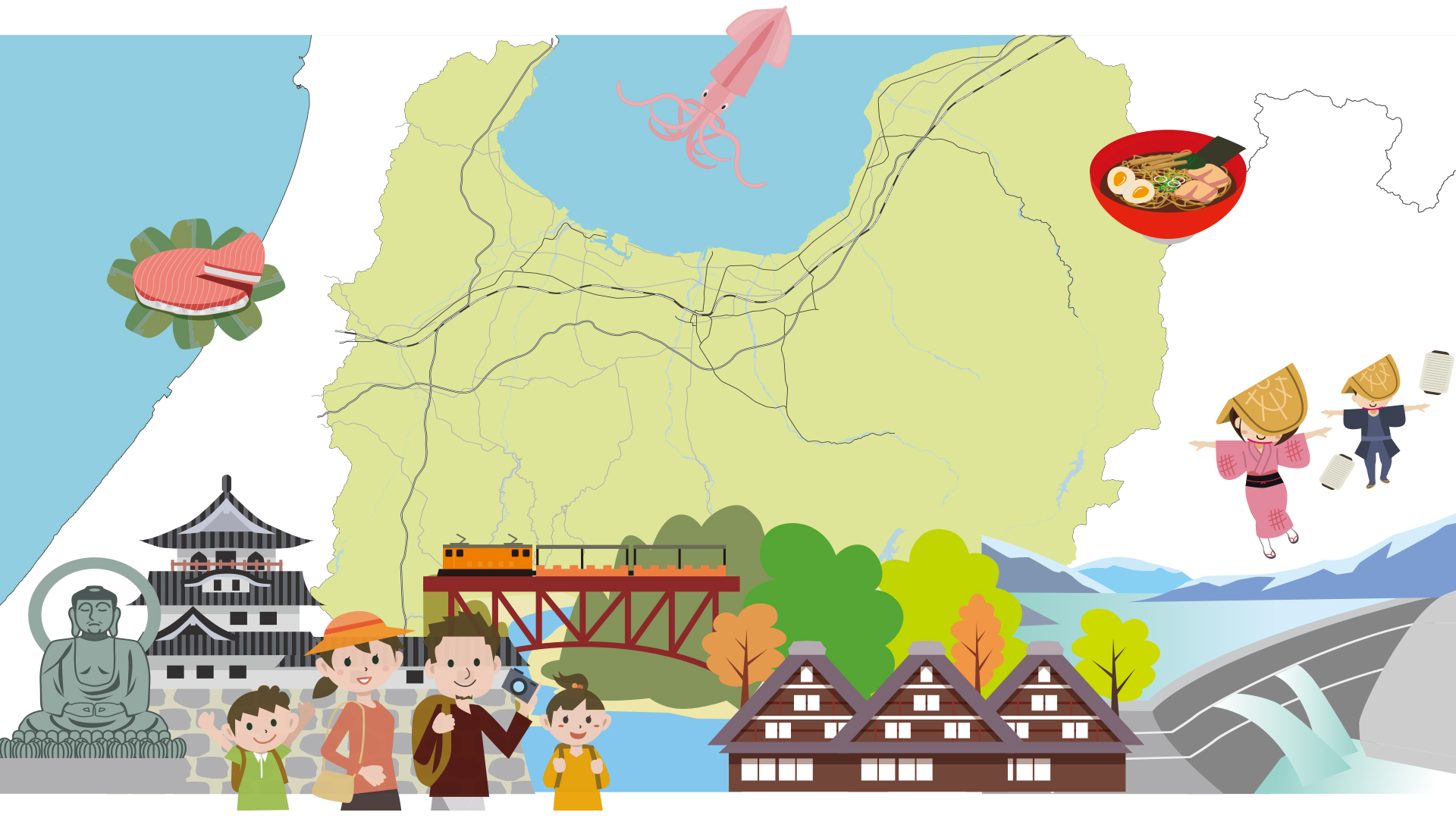
2. The impact of natural disasters on visitor numbers
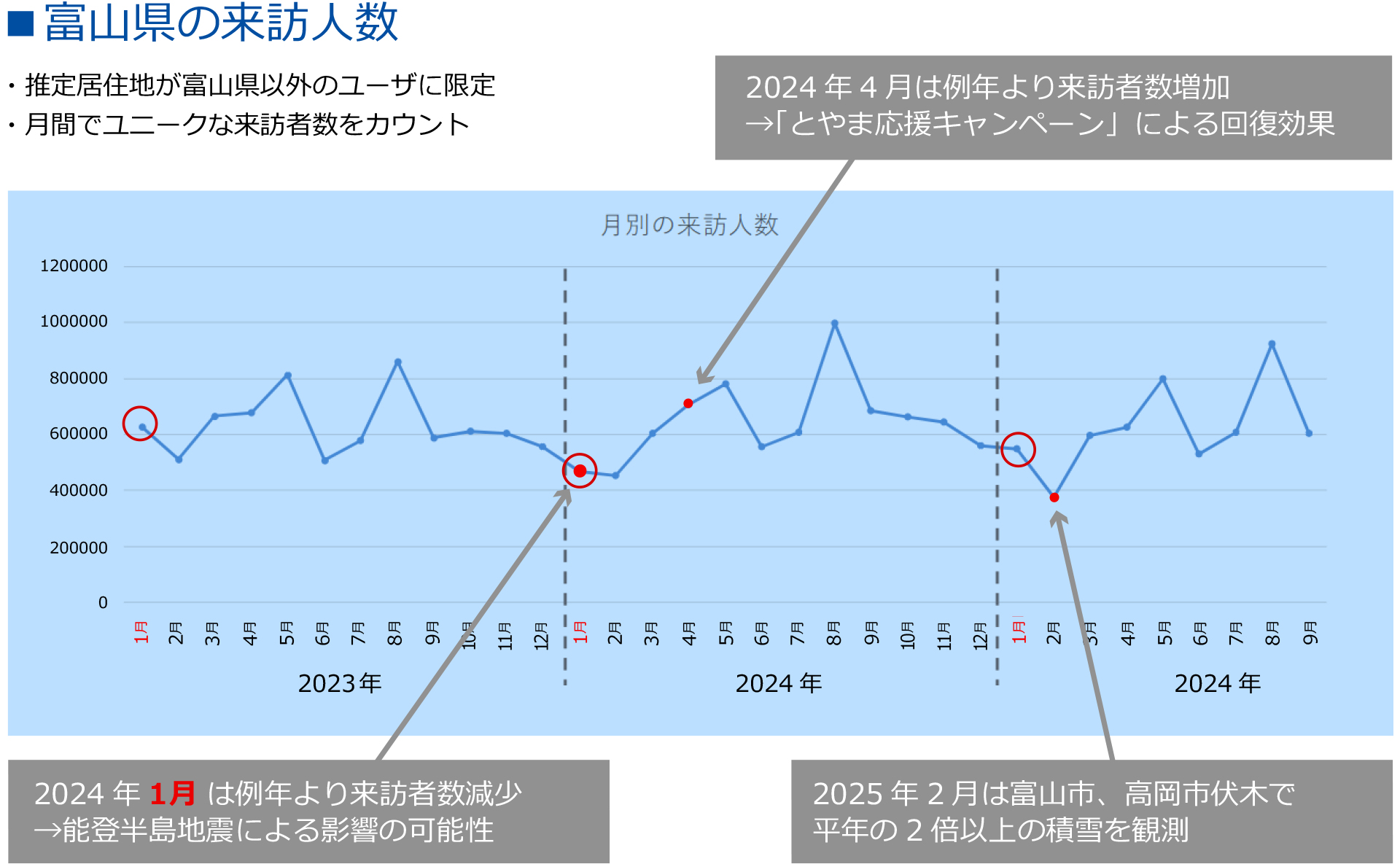
In January 2024, Toyama Prefecture, which borders Ishikawa Prefecture (the area most severely affected by the Noto Peninsula earthquake), was initially concerned about the impact on tourism, and indeed, a decline in the number of visitors compared to previous years was observed.
However, a detailed analysis of people flow data revealed a surprising fact. The largest decrease in visitor numbers during the analysis period was not observed at the time of the earthquake, but in February 2025. In that month, record-breaking snowfall, more than double the usual amount, was observed in Toyama City and Fushiki in Takaoka City, causing widespread road closures and traffic disruptions throughout the prefecture.
This analysis suggests that the heavy snowfall in February 2025, which caused direct traffic disruptions and travel restrictions within Toyama Prefecture, had a greater impact on the actual number of visitors than the Noto Peninsula Earthquake, which was primarily affected in Ishikawa Prefecture. This indicates that visitors tend to place more importance on the specific feasibility of travel and accessibility at the places they actually visit than on the reported "magnitude of damage."
If you are interested in Geo-People people flow, please contact us here.
3. The effects and challenges of tourism campaigns
After the Noto Peninsula Earthquake, the Hokuriku Support Discount "Toyama Support Campaign" (March 16, 2024 ~ April 26, 2024), implemented to restore tourism demand in Toyama Prefecture, confirmed that the number of visitors to Toyama Prefecture in April 2024 increased compared to previous years. These results indicate a recovery from the decline in January and February, proving that tourism support campaigns are effective in restoring visitor numbers. In particular, compared to the nationwide travel support campaign "Let's Rest in Toyama. Toyama Tourism Campaign" held in April of the previous year, the number of visitors in April after the earthquake was higher, so the "Toyama Support Campaign" can be said to have been a success.
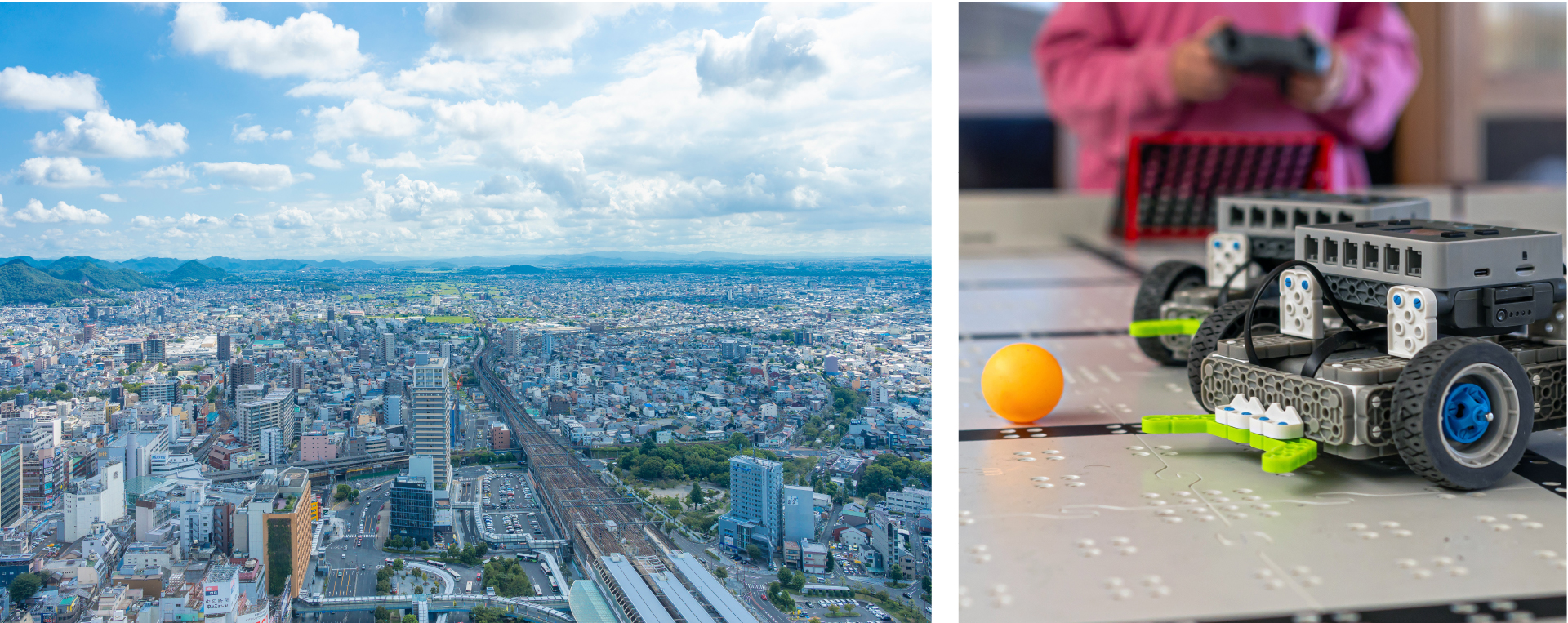
Furthermore, the number of visitors in August 2024 was higher than in previous years. This is likely due to factors such as improved access to Toyama Prefecture following the extension of the Hokuriku Shinkansen to Tsuruga in March 2024, and the fact that the final round of the "WRO 2024 Japan" international robotics competition for elementary, junior high, and high school students was held in Toyama Prefecture. Considering all of these factors, it can be concluded that the impact of the Noto Peninsula Earthquake on tourism in Toyama Prefecture was limited.
However, a point of concern is that in May 2024, after the "Toyama Support Campaign" ended, the number of visitors returned to the same level as in previous years. This means that once the discounts and benefits from the campaign end, their effects do not last. From this result, it can be concluded that while short-term campaigns are effective for urgently stimulating demand, achieving a sustainable increase in visitors requires analysis from a longer-term perspective and sustainable measures.
4. Visitor Behavior Patterns of the Tateyama Kurobe Alpine Route
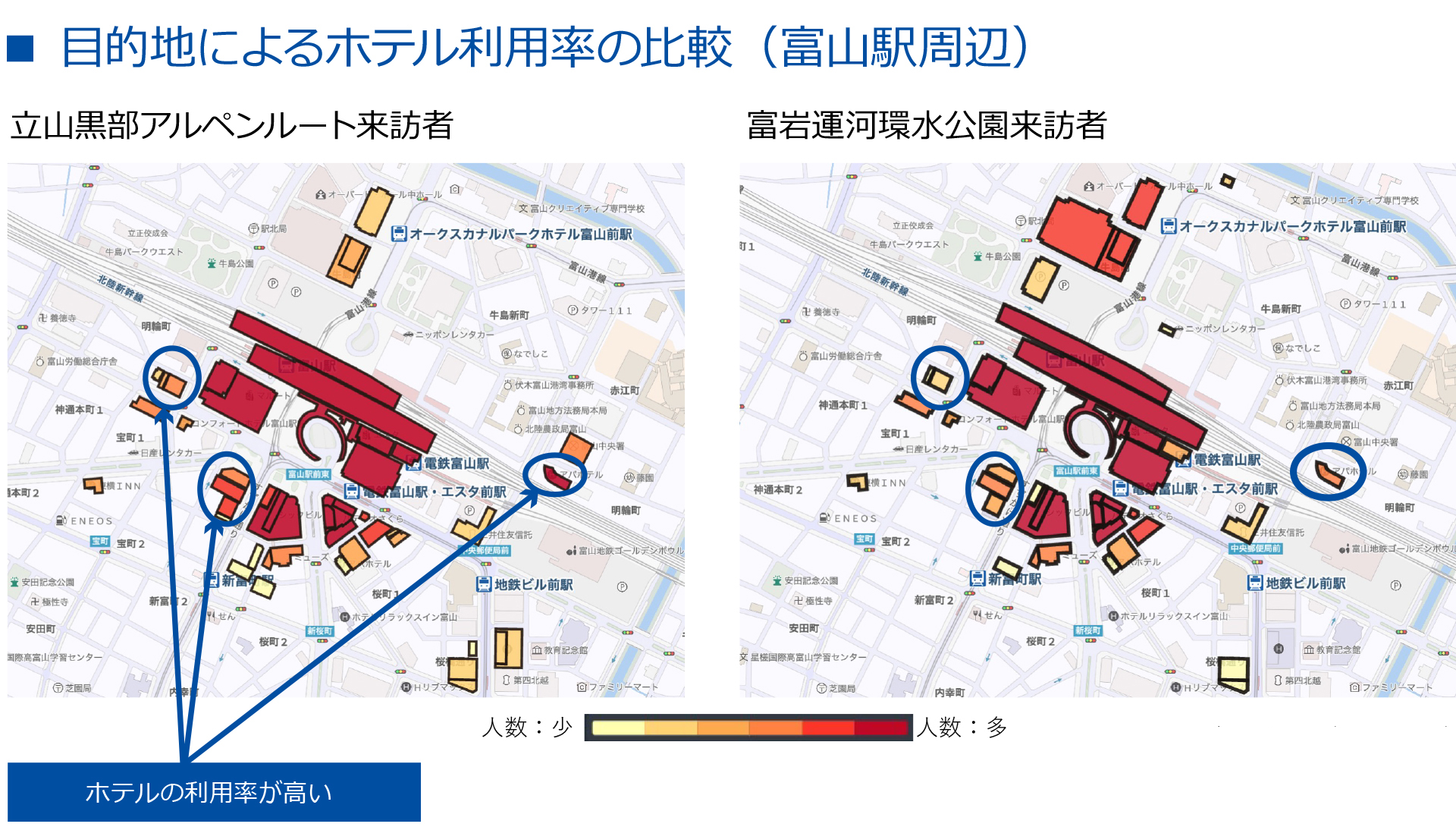
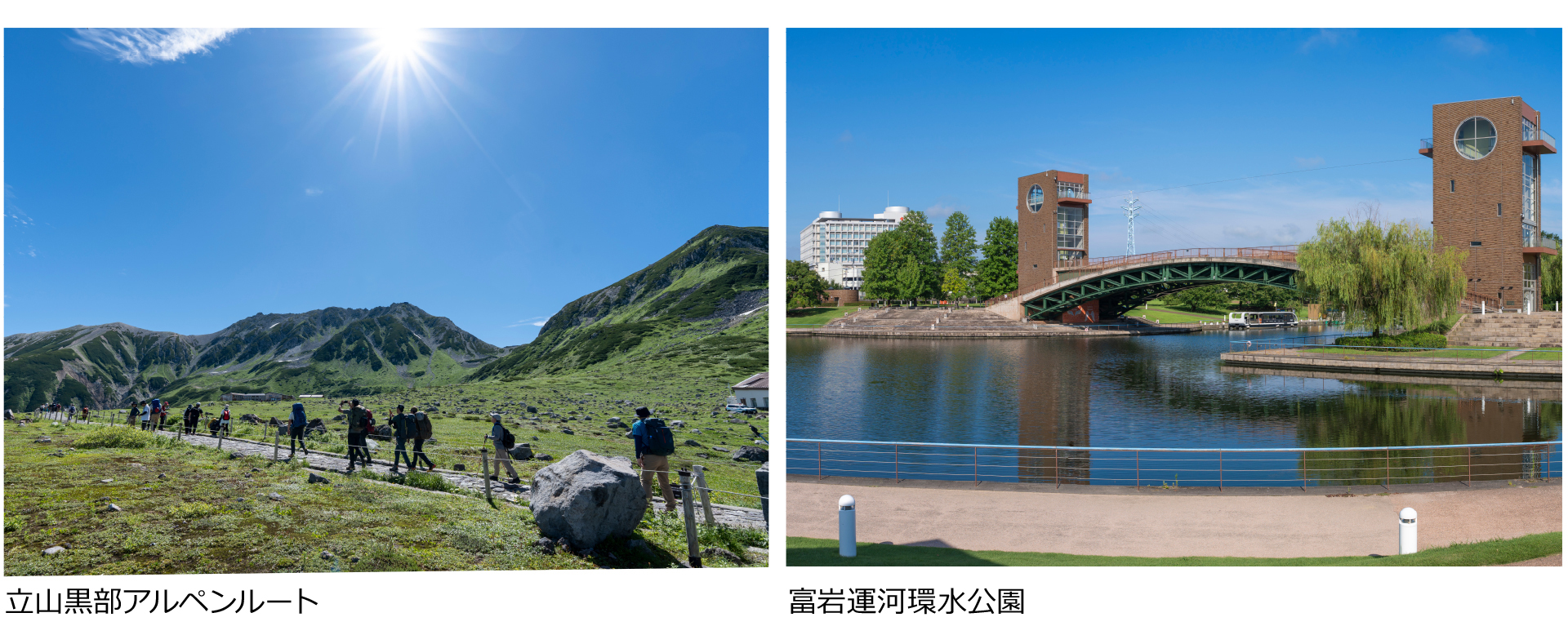
An analysis of visitor behavior to the Tateyama Kurobe Alpine Route, a representative tourist destination in Toyama Prefecture, revealed an interesting pattern. Many visitors stay in hotels around Toyama Station, and their typical route involves stopping in Toyama for an overnight stay before or after visiting the Alpine Route.
However, a comparative analysis with visitors to Fugan Canal Kansui Park revealed that visitors to the Tateyama Kurobe Alpine Route show a remarkably low tendency to visit other tourist facilities within Toyama Prefecture. This indicates that people visiting the Alpine Route rarely visit other tourist spots in Toyama Prefecture.
As a result, it has become clear that for many tourists, the Tateyama Kurobe Alpine Route is the sole reason for visiting, and this does not lead to sightseeing in other areas of Toyama Prefecture.
5. Tourism activities concentrated around Toyama Station
An analysis of the movement patterns of visitors to both the Tateyama Kurobe Alpine Route and the Fugan Canal Kansui Park revealed a common trend: both groups of visitors tended to concentrate their activities strongly in the area around Toyama Station.
Detailed data reveals that visitors tend to shop and dine around Toyama Station before moving on to their next destination (outside the prefecture or towards Tateyama), rather than traveling extensively throughout Toyama Prefecture and visiting a variety of tourist spots. While the area around Toyama Station is convenient and has a concentration of attractive facilities, this behavior pattern highlights the reality that visitors' sightseeing experiences are limited to the "Toyama Station area."
This series of actions is merely a "point" or a "line" of movement within a narrow area, specifically a tour of the vicinity of Toyama Station. Toyama Prefecture has many attractive tourist resources scattered throughout the prefecture, and it appears that there is still much room for these resources to be fully utilized.
What we can learn from the data people flow
This analysis has made it clear that people flow data plays an extremely important role in strategies for attracting tourists.
Specifically, the heavy snowfall the following year had a greater impact on actual visitor numbers than the Noto Peninsula earthquake, the effect of the "Toyama Support Campaign" temporarily stalled, and the limited activity range of visitors to the Tateyama Kurobe Alpine Route was limited to the area around Toyama station. These facts about Toyama tourism that could not be grasped by conventional "intuition" or "assumptions" were revealed by people flow data.
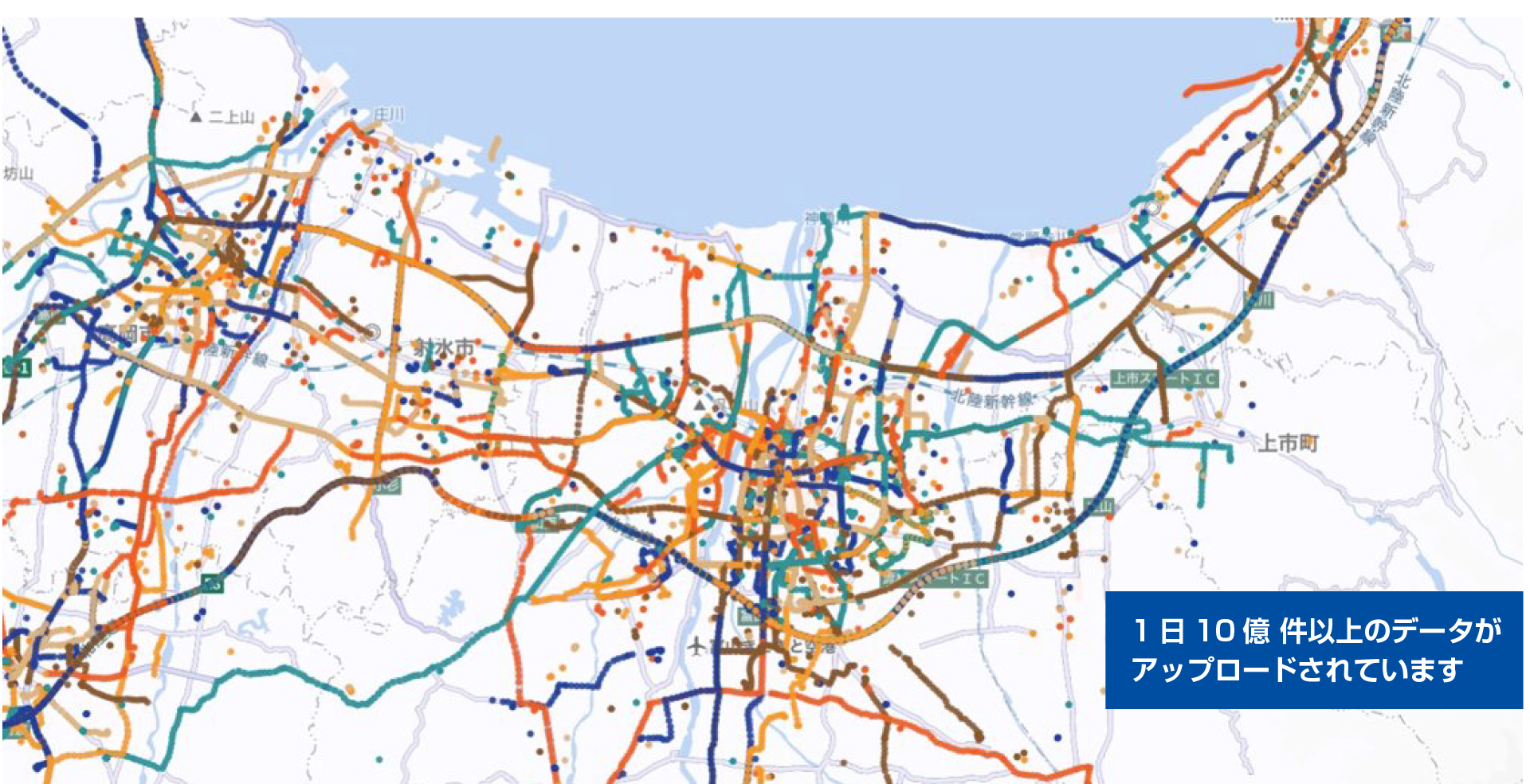
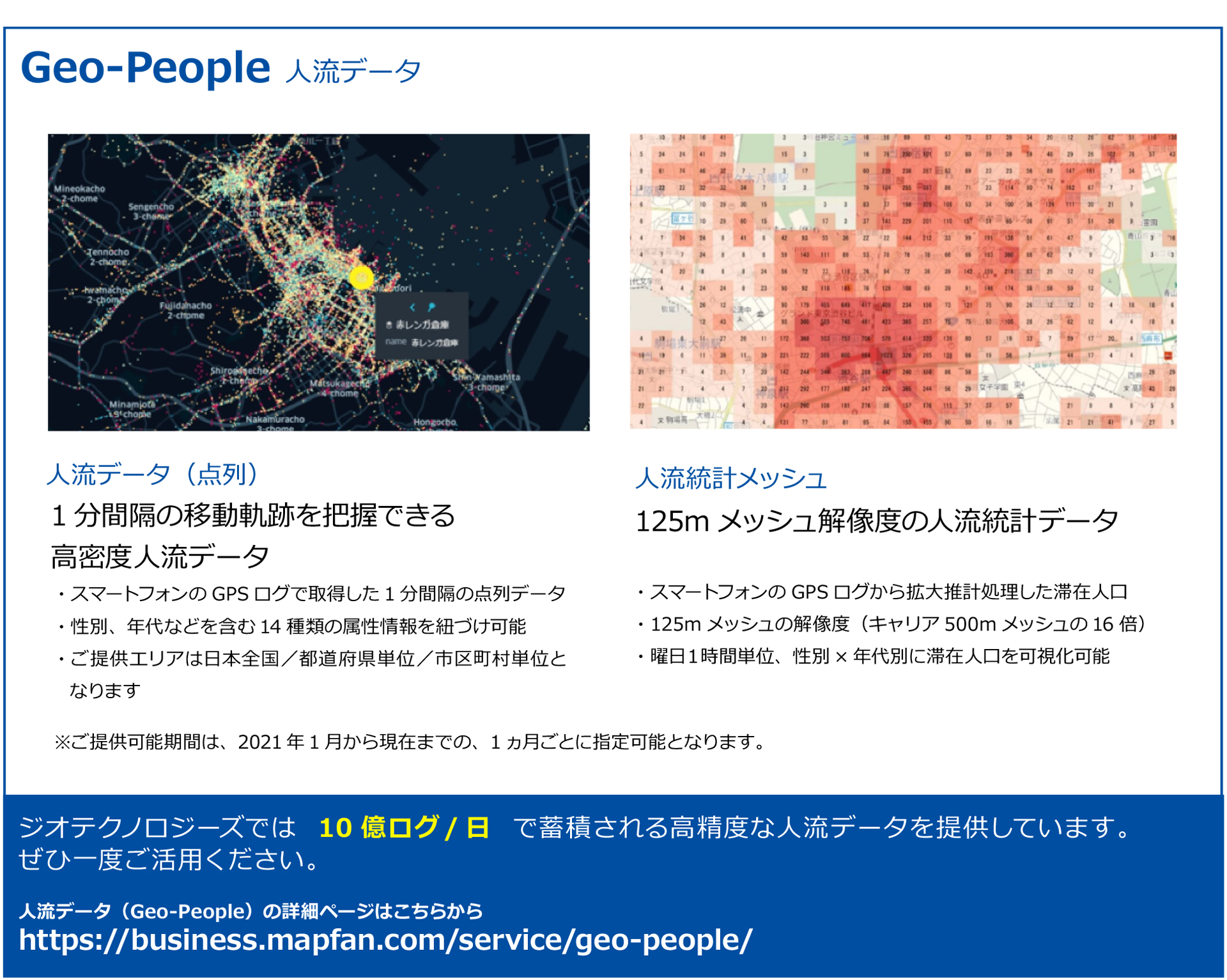
people flow data makes it possible to track people's movements and behavior as a "line." Its applications are expected to extend beyond developing tourism attraction strategies; it's also used in a wide range of fields, including market area analysis and store placement optimization in the retail industry, effectiveness measurement for events, and even accident risk estimation models for intersections.
Data-driven decision-making maximizes limited resources and provides a concrete path toward sustainable community development and business operations. In the future, people flow data will become an indispensable decision-making tool across various industries. For more accurate strategic planning, please consider implementing people flow analysis.
Inquiries regarding services for corporate clients
For inquiries, please click here.
Related Services


Related articles
-
 2026.03.26Newsletter
[GT Times #4] Understanding "Geo-Promotion Ads" in 5 Minutes: Solving Advertising Challenges with people flow Data and Values Data
-
 2026.02.16Newsletter
[GT Times #3] 4 billion driving images create the future of maps and social infrastructure
-
 2025.11.18Newsletter
[GT Times #1] A thorough explanation of the evolving world of OOH advertising
